

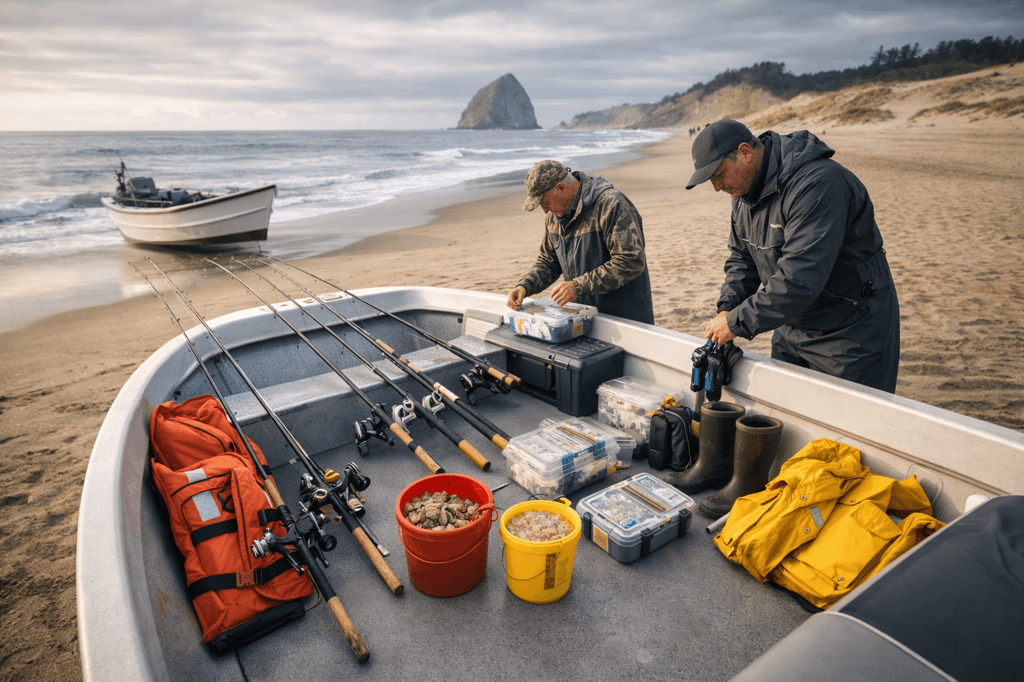
Boating on the Oregon Coast offers a chance to slow down, enjoy the outdoors, and experience the water from a different perspective. Whether you are fishing, sightseeing, or spending time with family, time on the water can be rewarding. At the same time, coastal and river conditions can change quickly, making preparation and awareness an important part of any outing.
Weather on the coast often behaves differently than inland forecasts suggest. Wind, fog, and water temperature can shift over short periods, which is why understanding how to plan around changing conditions helps support a safer, more confident boating experience.
This guide outlines key weather considerations and essential gear commonly recommended for boating along the Oregon Coast and nearby waterways.
Why Weather Awareness Matters on the Water
Conditions on the water are influenced by factors that may not be obvious from shore. Along the Oregon Coast, wind patterns, fog, tides, and changing pressure systems can affect visibility, boat handling, and overall safety. What appears manageable at the dock can feel very different once underway.
Paying attention to forecasts and learning to recognize weather cues helps boaters:
Anticipate changing conditions
Make informed decisions about timing and routes
Reduce the risk of unexpected situations
Weather awareness is not about avoiding time on the water. It is about recognizing when conditions support a safe outing and when adjusting plans is the better choice.
Key Weather Factors to Watch
Wind
Wind plays a major role in wave height, boat stability, and steering. Coastal areas are especially exposed, and wind conditions can increase quickly. Checking wind speed and direction before heading out and staying alert for changes helps reduce handling challenges once on the water.
Visibility
Fog is common along the Oregon Coast and near river mouths, sometimes developing with little warning. Reduced visibility can make navigation more difficult, particularly in areas with boat traffic or changing channels. Slowing down, using navigation tools, and being prepared to adjust course are important when visibility drops.
Precipitation
Rain can affect visibility and create slippery surfaces on deck. While light rain may not always require changing plans, heavier precipitation combined with wind or current changes can increase risk and should be approached with caution.
Temperature and Water Conditions
Air temperature does not always reflect water temperature. Oregon Coast waters remain cold much of the year, which increases the risk of hypothermia if someone enters the water. Dressing appropriately and understanding local water conditions are important regardless of the season.
Essential Safety Gear Every Boater Should Carry
Preparation extends beyond monitoring the weather. Having the right equipment on board supports safer decision-making if conditions change.
Personal Flotation Devices (PFDs)
Life jackets should be properly sized for everyone on board and kept easily accessible. Wearing a PFD is one of the simplest and most effective safety measures.
Communication Tools
A reliable way to communicate is essential. Marine radios or fully charged mobile phones stored in waterproof cases allow boaters to stay informed or seek assistance if needed.
Navigation and Awareness Tools
Charts, GPS devices, and compasses help maintain orientation, especially when visibility is limited. Knowing your position and planned route supports better decisions during changing conditions.
Emergency and First Aid Supplies
A basic first aid kit, signaling devices, and essential tools are valuable even on short trips. Being prepared for minor injuries or unexpected situations helps reduce stress and response time.
Planning Ahead Makes a Difference
Before heading out:
Check multiple weather sources for a clear picture of expected conditions
Let someone know your plan and estimated return time
Be willing to adjust or postpone if conditions are uncertain
On the water:
Continue monitoring weather and water movement
Stay alert to changes in wind, visibility, and current
Prioritize safety over schedules or expectations
Experienced boaters and guides regularly adjust plans based on real-time conditions. Flexibility is a key part of staying safe on the water.
A Safer Experience
Starts With Preparation
Boating safety is not about eliminating risk entirely. It is about managing it thoughtfully through preparation, awareness, and respect for local conditions.
By understanding weather patterns, carrying essential gear, and remaining flexible, time on the water can stay focused on what it is meant to be: an enjoyable and rewarding way to experience the Oregon Coast.